
 Jems
Jems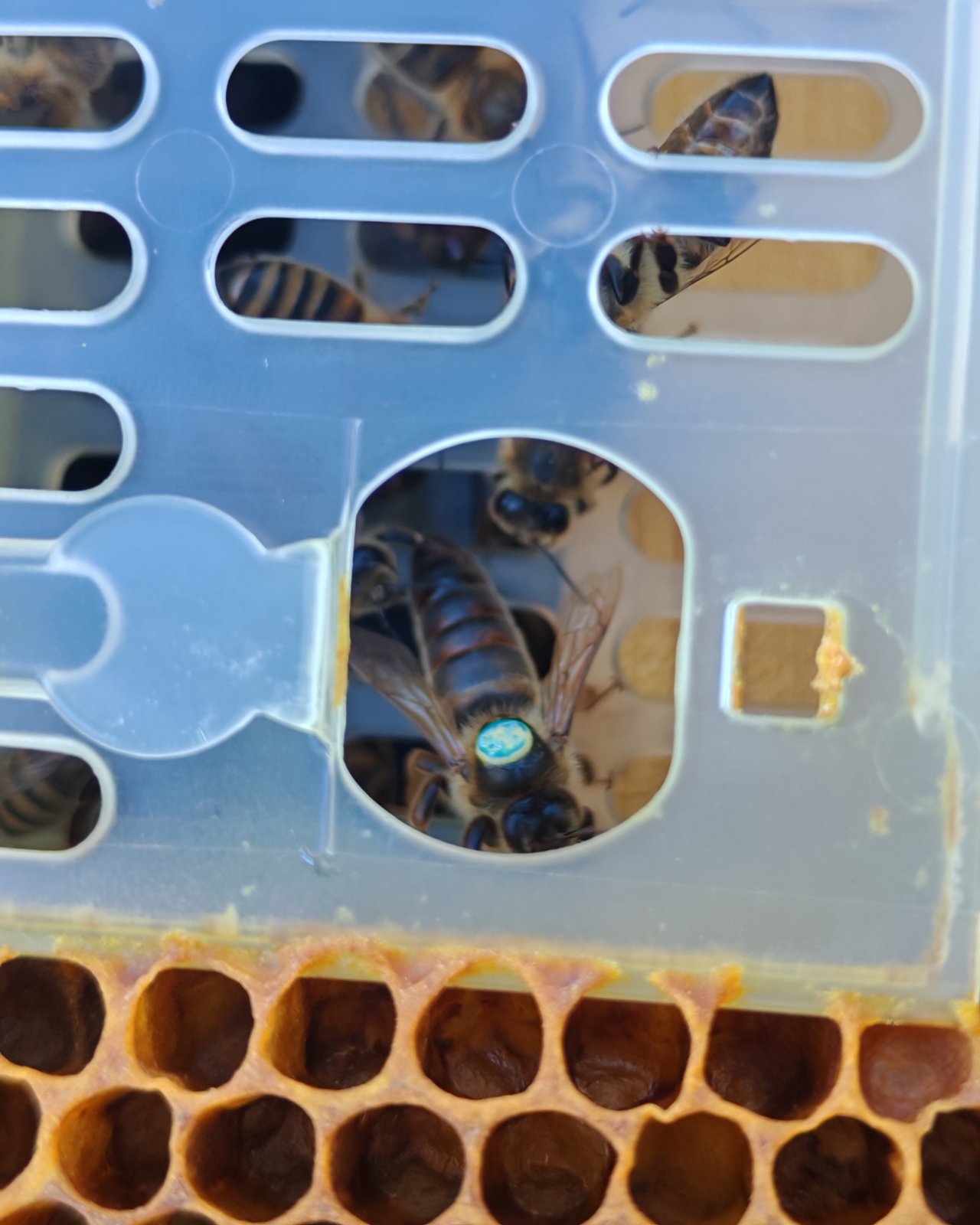
As part of the INNOBEE project, an innovative summer treatment has been launched at 15 experimental apiaries in Croatia and Serbia, aiming to support more sustainable control of Varroa destructor mites and contribute to improved honey bee colony health.
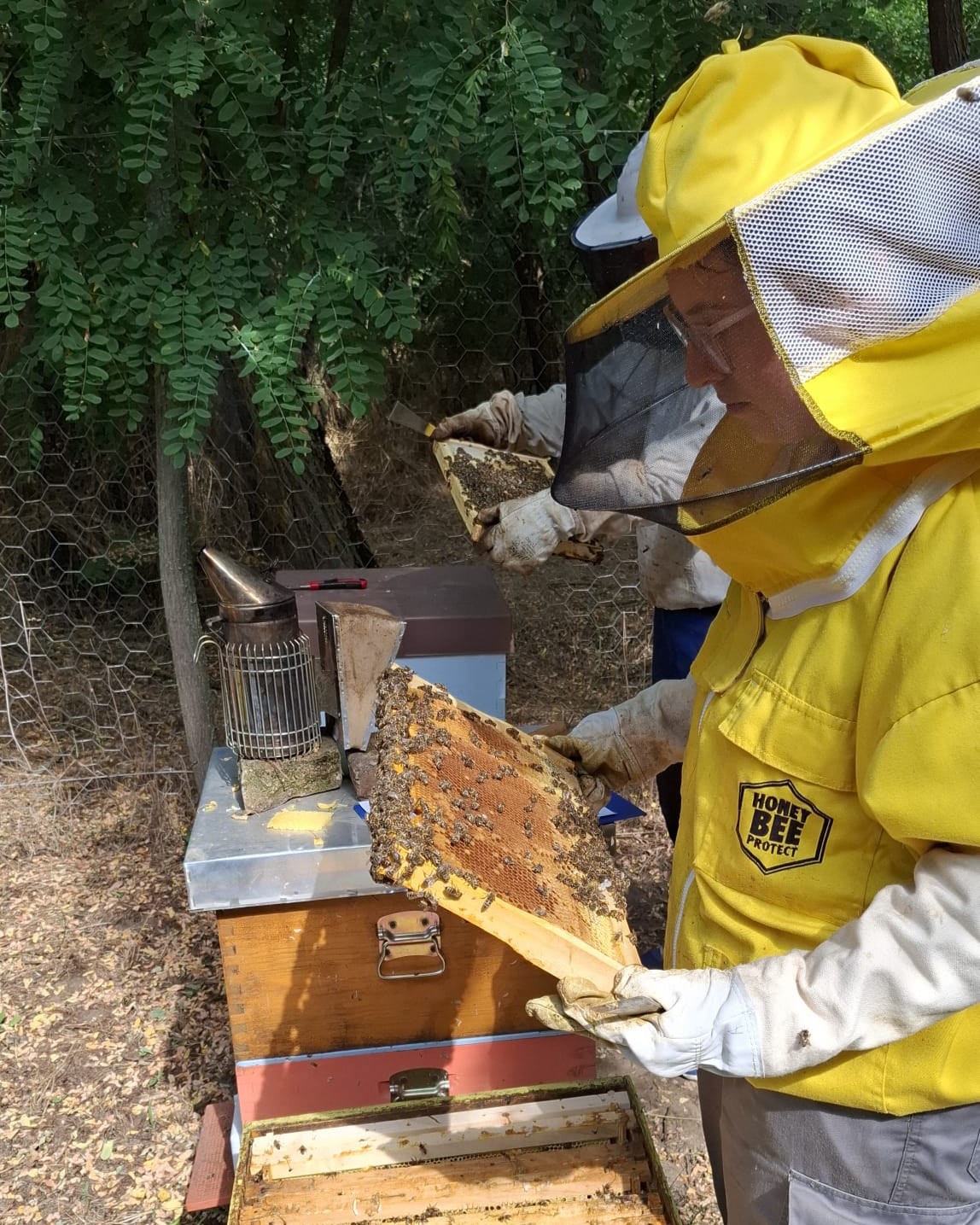
The pilot action is being carried out at 15 experimental apiaries: five operated by selected beekeepers in Croatia, five in Serbia, and five managed by project partners. At each location, 12 honey bee colonies of approximately equal strength were selected, with six assigned to the test group and six to the control group.
The innovative treatment began on 30 June 2026 with the temporary confinement of queens in specially designed cages for a period of 25 days. This approach creates a brood-free period during which Varroa destructor mites remain exposed on adult bees, allowing for more effective treatment with organic acids while reducing reliance on conventional chemical acaricides.
In addition to the treatment, digital beekeeping scales equipped with sensors and traps for monitoring the Asian hornet (Vespa velutina) were installed at the experimental apiaries. The strength of the honey bee colonies was assessed, the first annual sampling campaign was completed, and Varroa infestation levels were determined.
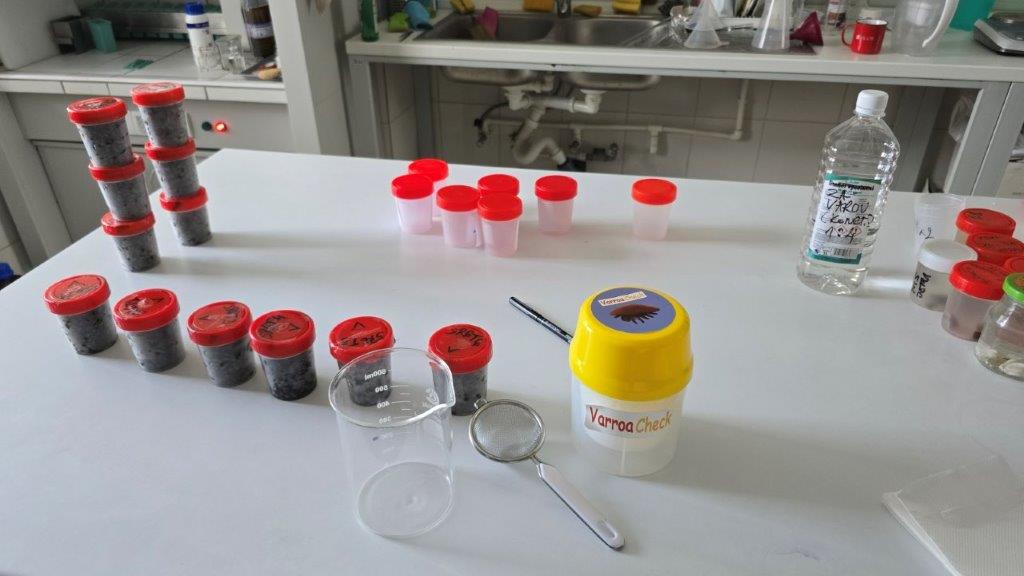
Collected samples are currently being stored for planned virological and parasitological analyses, while field data are being consolidated for statistical evaluation. At the same time, preparations are under way for the implementation of the innovative winter treatment, which will provide further data on the effectiveness and sustainability of the approach throughout the beekeeping season.
Through these activities, INNOBEE is testing innovative, environmentally conscious approaches to bee health management and generating field-based data that can support more sustainable beekeeping practices in the cross-border region.