

 Jems
Jems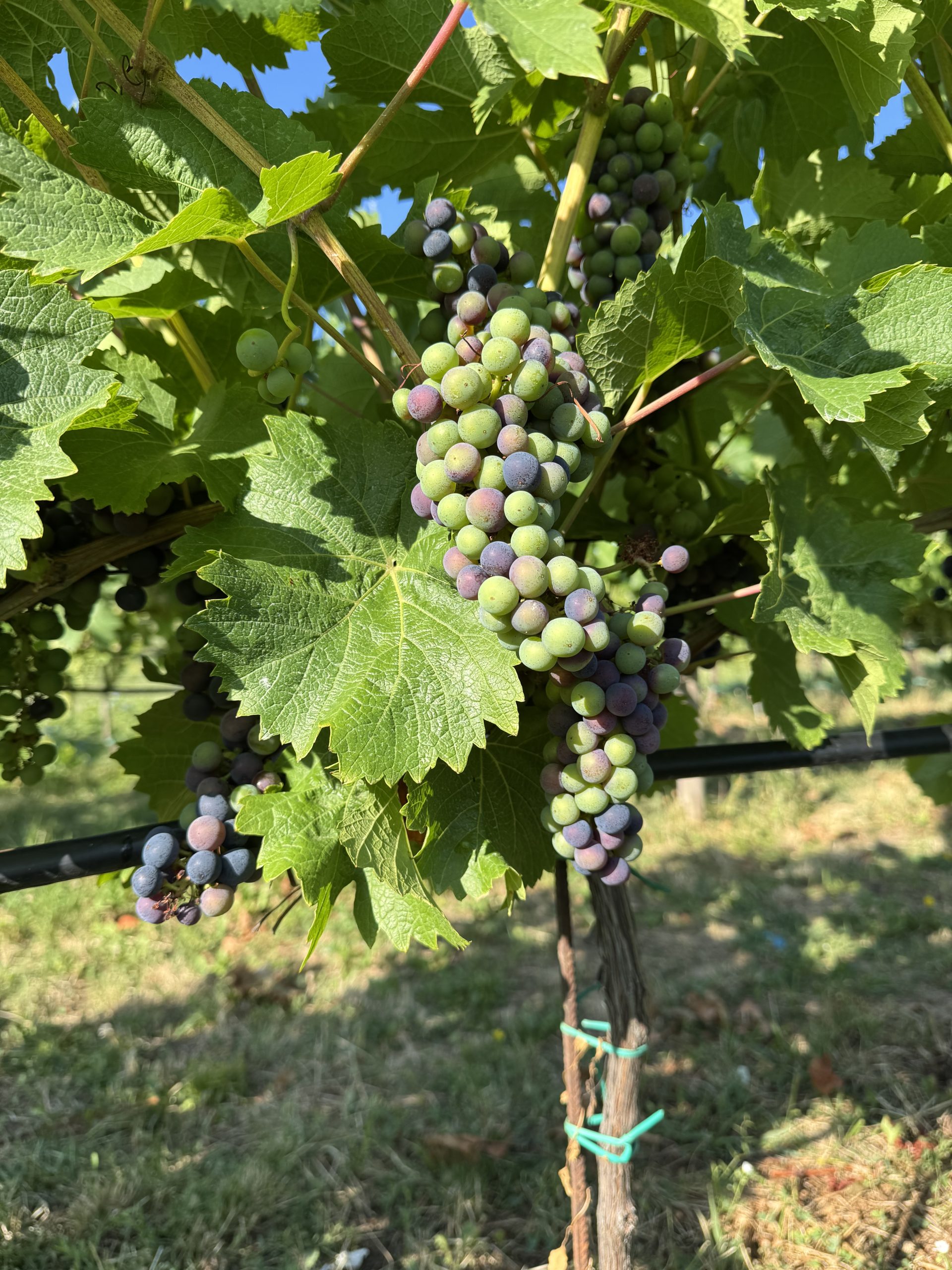
Representatives of the Directorate for Professional Support to Agricultural Development of the Ministry of Agriculture, Forestry and Fisheries visited the newly established ADAPTVitis Centre. Although its official grand opening is yet to take place, the Centre has already become an important meeting point for researchers, professionals, and institutional stakeholders, serving as a hub for cooperation, knowledge exchange, and discussions on the future development of climate-resilient viticulture.
The visit provided an excellent opportunity to present the achievements and progress made within the ADAPTVitis project, which focuses on adapting viticulture to the challenges of climate change through the research and evaluation of climate-resilient grapevine genotypes.
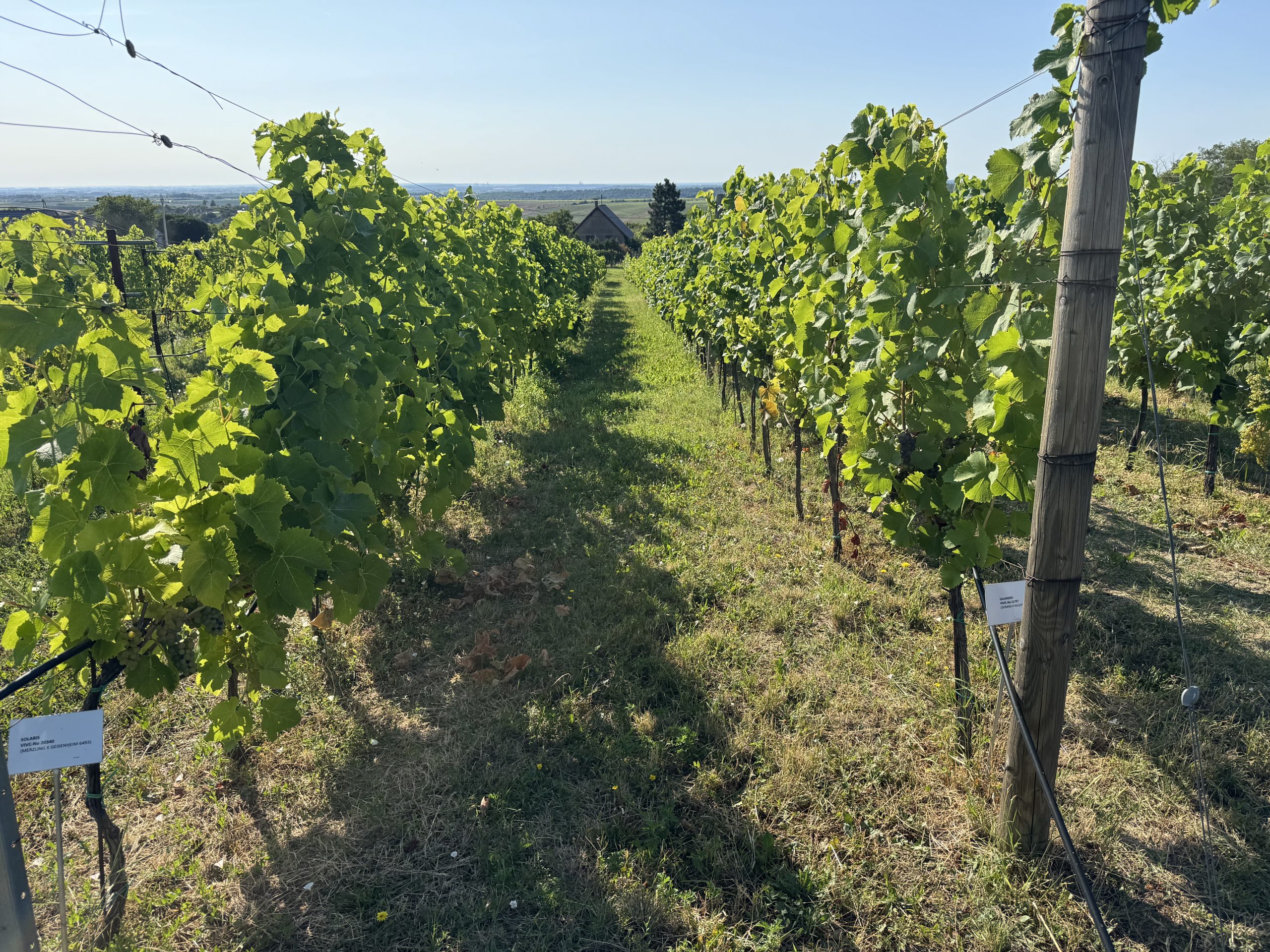
During the visit, project partners reviewed the results obtained to date, with particular emphasis on phenological characteristics, tolerance to abiotic stress factors, and the production potential of the grapevine varieties included in the study. The discussions highlighted the importance of systematically monitoring key indicators that enable the assessment of varietal adaptability to increasingly frequent climate extremes, including high temperatures, prolonged droughts, and irregular rainfall patterns throughout the growing season.
The findings collected so far indicate that several grapevine genotypes possess valuable agronomic traits that make them promising candidates for cultivation under future production conditions in continental viticultural regions. These results represent an important step toward identifying varieties capable of maintaining productivity and quality under changing climatic conditions.
A significant portion of the meeting was dedicated to planning the next stages of project implementation. Particular attention was given to the preparation of the documentation and technical evidence required to initiate the procedure for proposing selected tolerant grapevine varieties for inclusion in the National Variety List. This activity represents one of the project’s key objectives, as it supports the formal recognition and wider availability of varieties that have demonstrated strong agronomic and economic performance throughout the research period.

Participants agreed that the inclusion of such varieties in the National Variety List could make a substantial contribution to the sustainability of grape production, the preservation of grapevine genetic diversity, and the enhanced resilience of the viticulture sector to the impacts of climate change. Furthermore, the adoption of these varieties could provide growers with valuable tools for adapting production systems to increasingly challenging environmental conditions.
Through these activities, the ADAPTVitis project continues to strengthen cooperation between scientific research institutions, professional advisory services, and public authorities responsible for agricultural development. At the same time, the ADAPTVitis Centre is already demonstrating its value as a focal point for collaboration and innovation in the sector, even before its official opening. Together, these efforts are laying the foundation for the long-term sustainability, competitiveness, and climate resilience of viticulture in the cross-border region of Croatia and Serbia.