 Jems
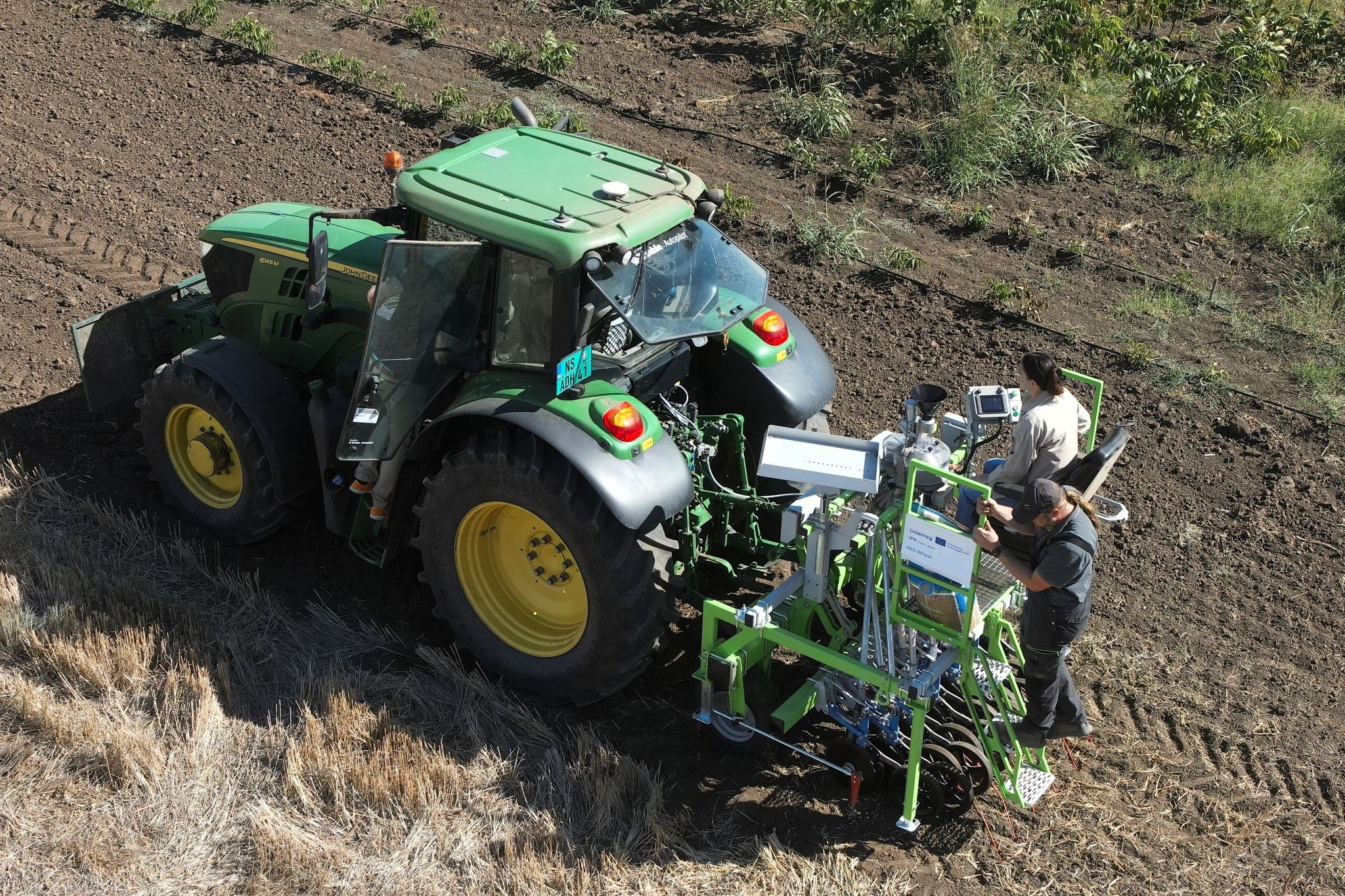
As part of the RES-Wheat cross-border project, new agricultural equipment has been procured to improve wheat research and production. The Faculty of Agriculture at the University of Novi Sad has received a sowing machine, spreader and real-time variable rate nitrogen sensors while the Agricultural Institute Osijek has received the precision planting machine and commenced construction work on a new multipurpose warehouse facility.
The new equipment will support field trials and the application of modern technologies in wheat production. The sowing machine will enable more precise sowing on experimental plots, while the sensors and spreader will be used to monitor growing conditions and apply appropriate treatments. This will allow researchers to improve their assessment of different wheat varieties and modern agronomic practices.
“The new equipment will enable us to conduct research on experimental plots with even greater precision and examine how different wheat varieties respond to diseases and modern agronomic practices. It is particularly important to us that the results of this research do not remain confined to scientific publications but reach farmers and help them achieve more stable yields while making more efficient use of resources,” representatives of the Faculty of Agriculture at the University of Novi Sad emphasised.
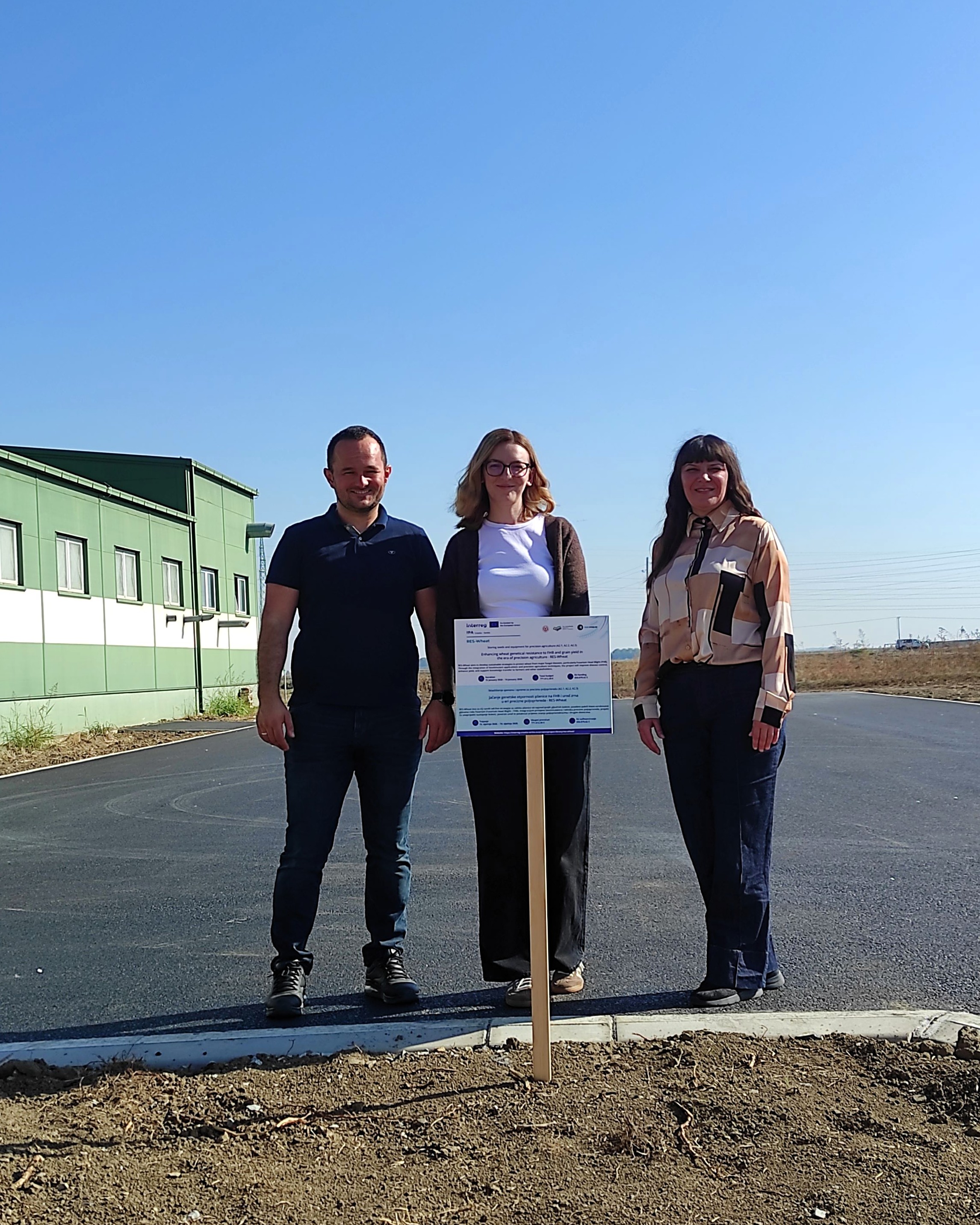
Meanwhile, in Croatia, a new precision planting machine has been delivered, and the concrete foundation slab for the future warehouse has been completed. Construction of the storgae facility is planned for 2027. The new space will be used to store equipment and materials required for research and field activities.
The equipment procurement is being carried out as part of the RES-Wheat project, jointly implemented by partners from Serbia and Croatia, with the aim of improving wheat resistance to Fusarium head blight, one of the most significant diseases affecting this crop. In addition to assessing the resistance of different wheat varieties, the project involves the application of biostimulants and precision agriculture technologies to improve yields, grain quality and the sustainability of wheat production.
A particularly important aspect of the project is the opportunity to share research findings with farmers through demonstration plots, field demonstration days and technical workshops. The new equipment is expected to contribute to more efficient research activities and the development of practical recommendations that will help farmers select suitable wheat varieties and apply appropriate agronomic practices.
The RES-Wheat project is implemented under the Interreg VI-A IPA Croatia–Serbia Cross-Border Cooperation Programme 2021–2027, with financial support from the European Union. Joint investments in equipment and research infrastructure are creating the conditions for improving wheat production and strengthening cooperation between scientific institutions and farmers on both sides of the border.