 Jems
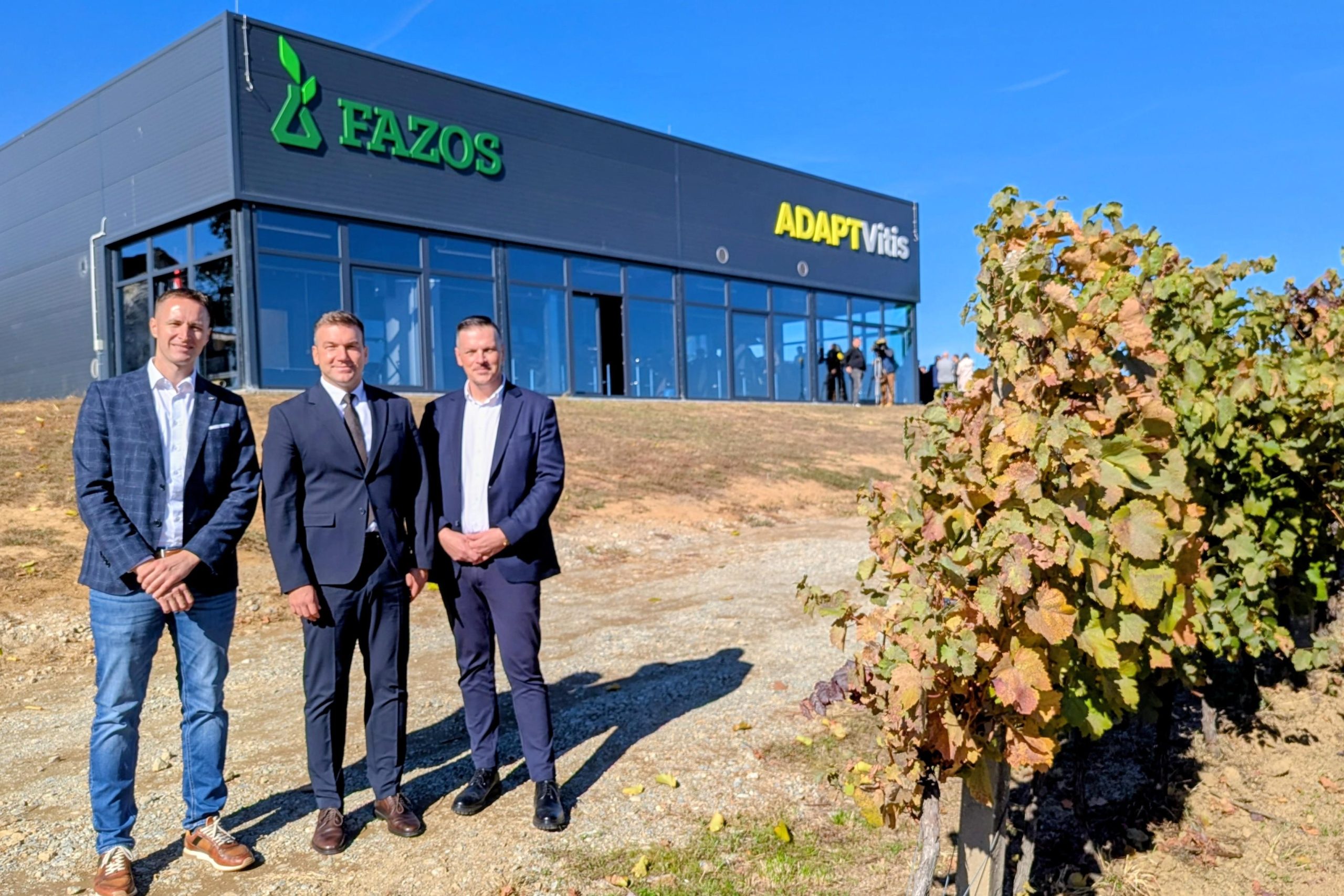
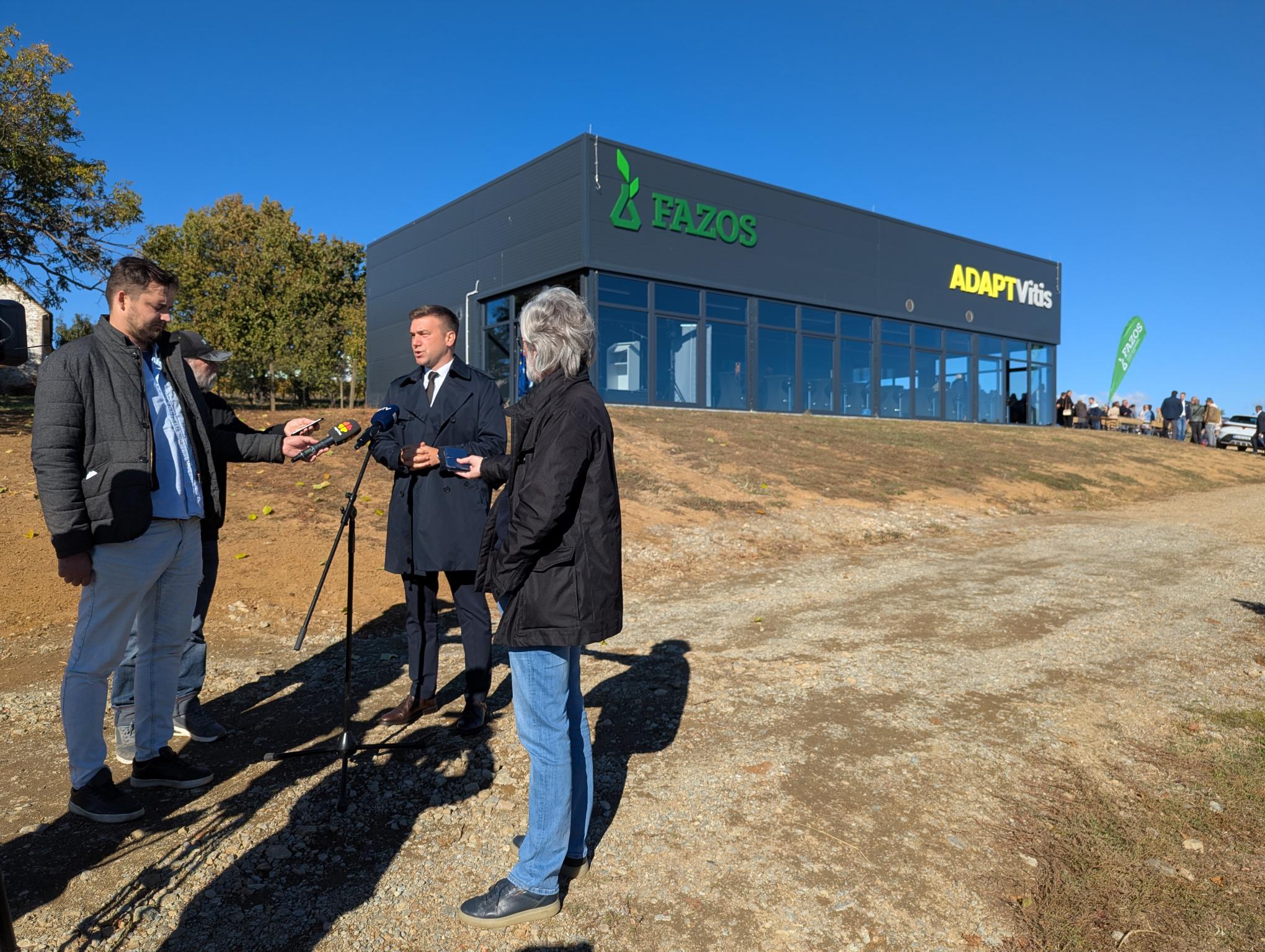
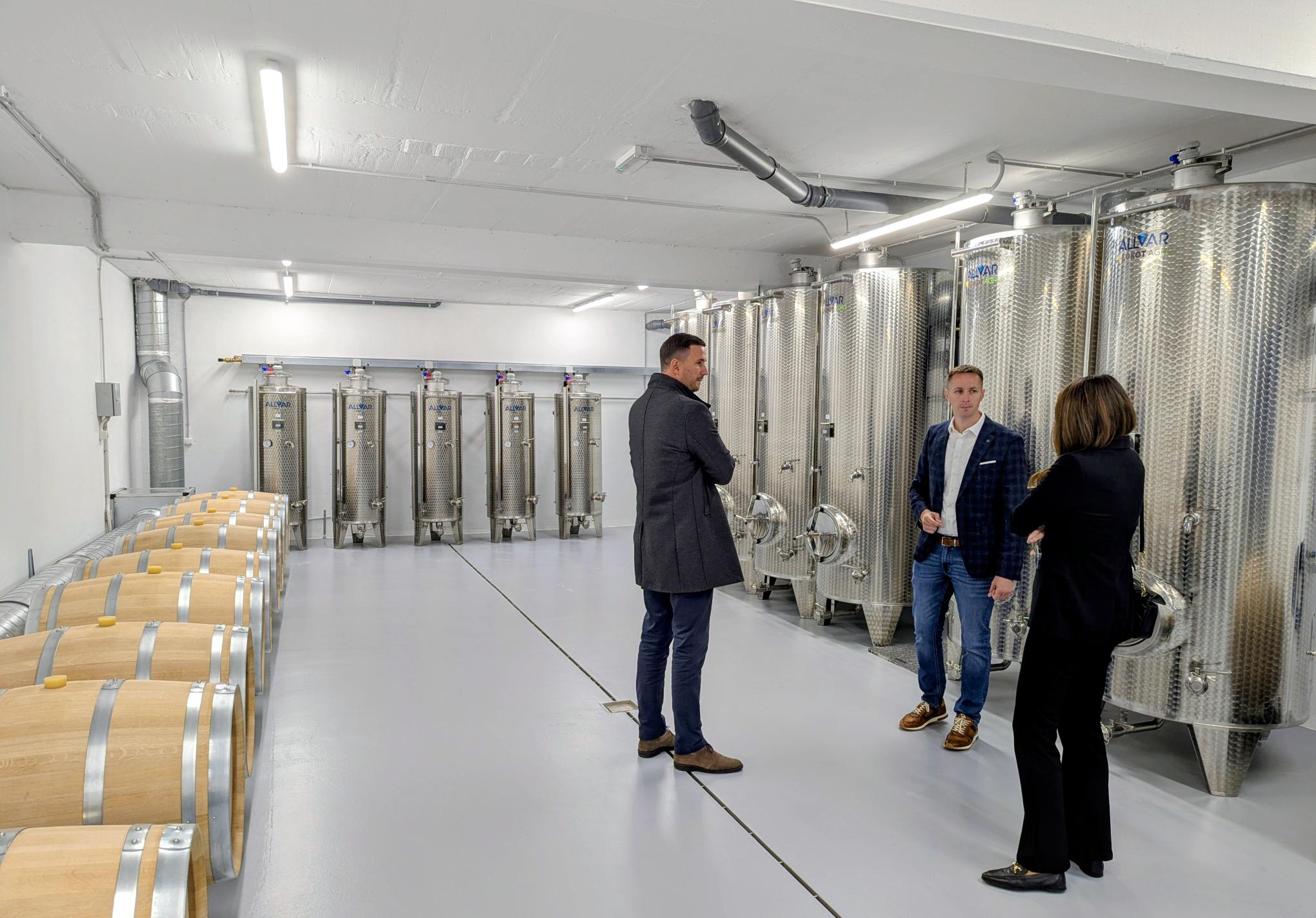
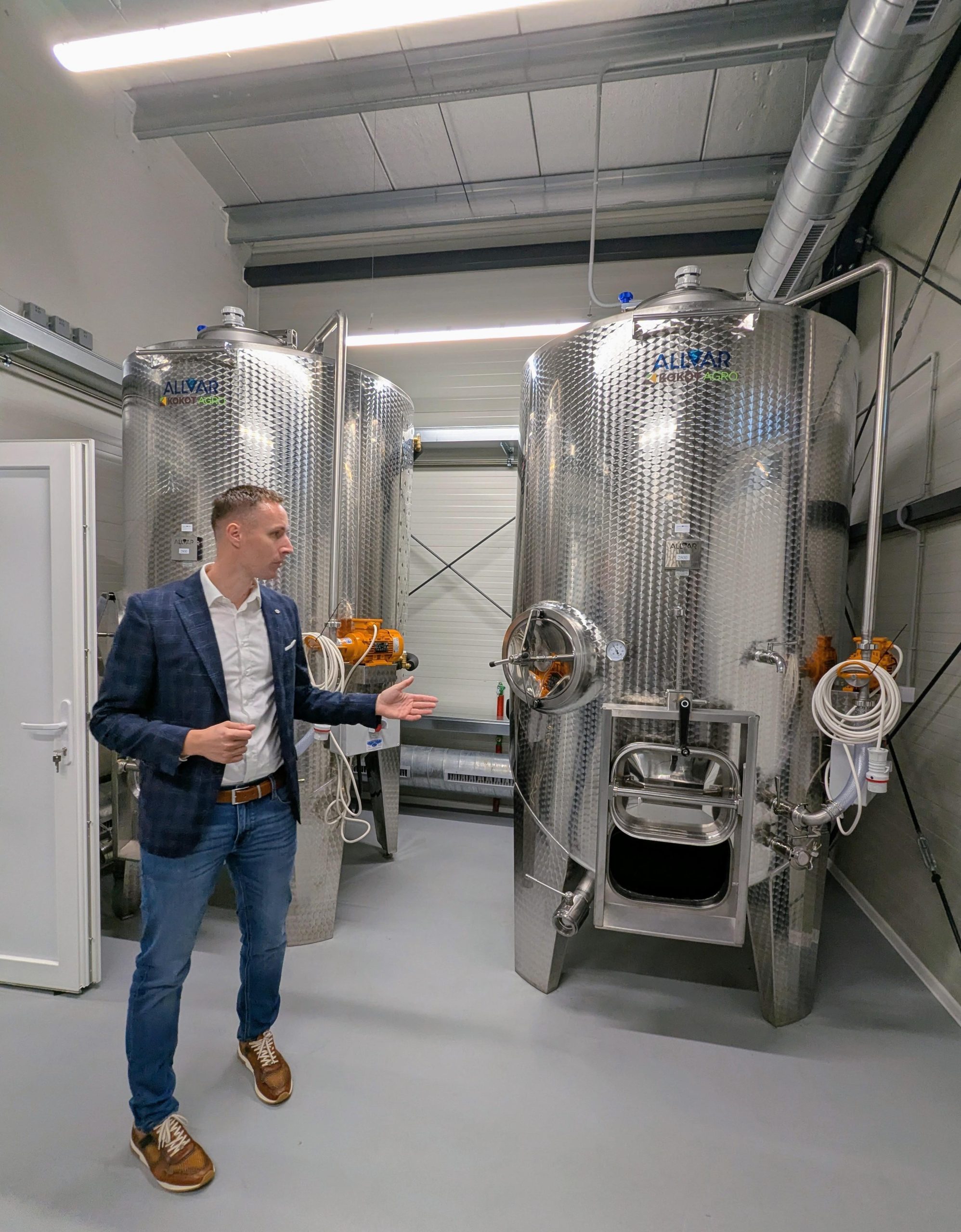
A new ADAPTVitis research centre opened today in Mandićevac, Croatia, to support the adaptation of viticulture to climate change through scientific research on grapevines. The centre was built as part of the €2.5 million strategic project of the same name, co-funded at 85% under the Interreg VI-A IPA Croatia–Serbia 2021–2027 programme.
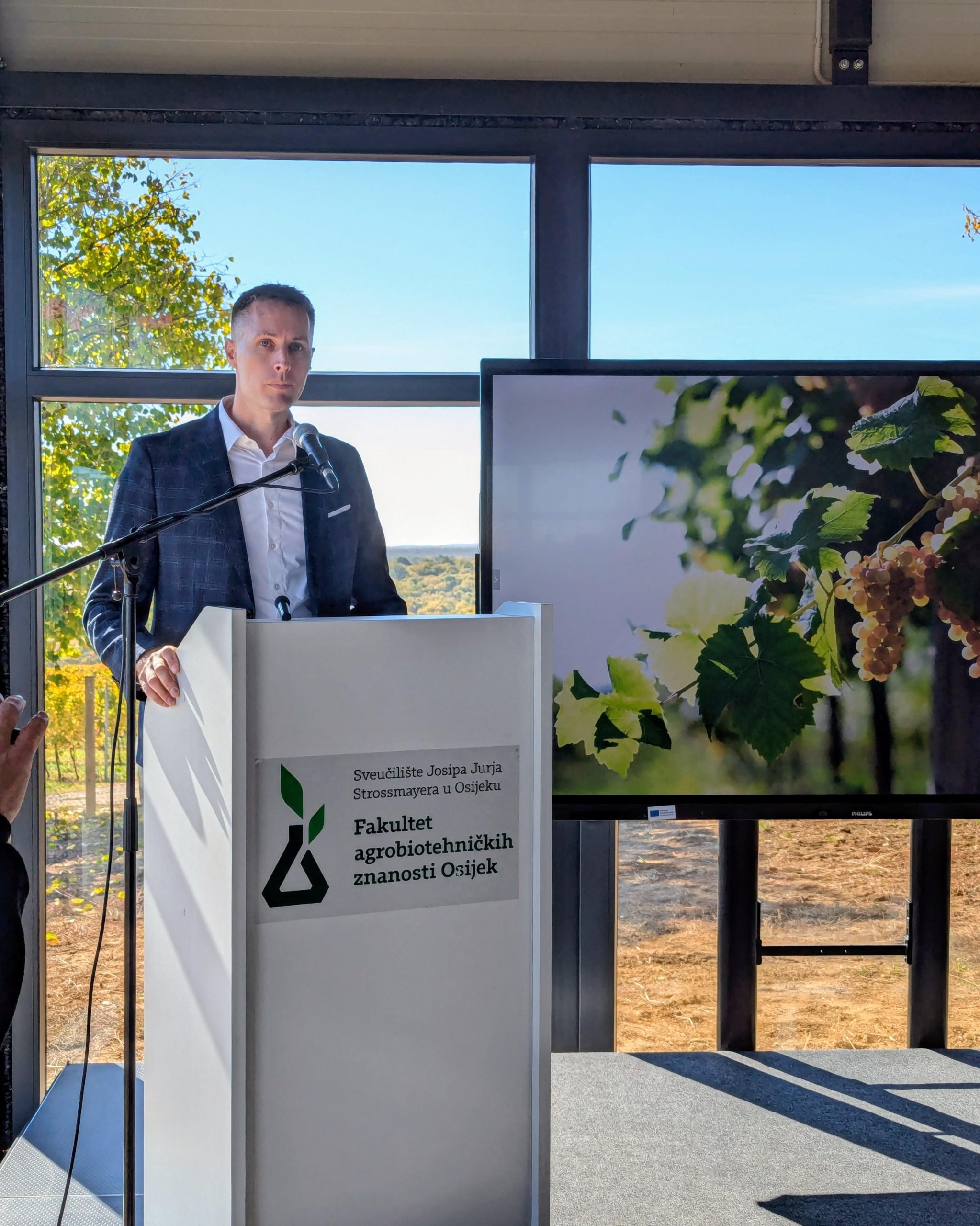
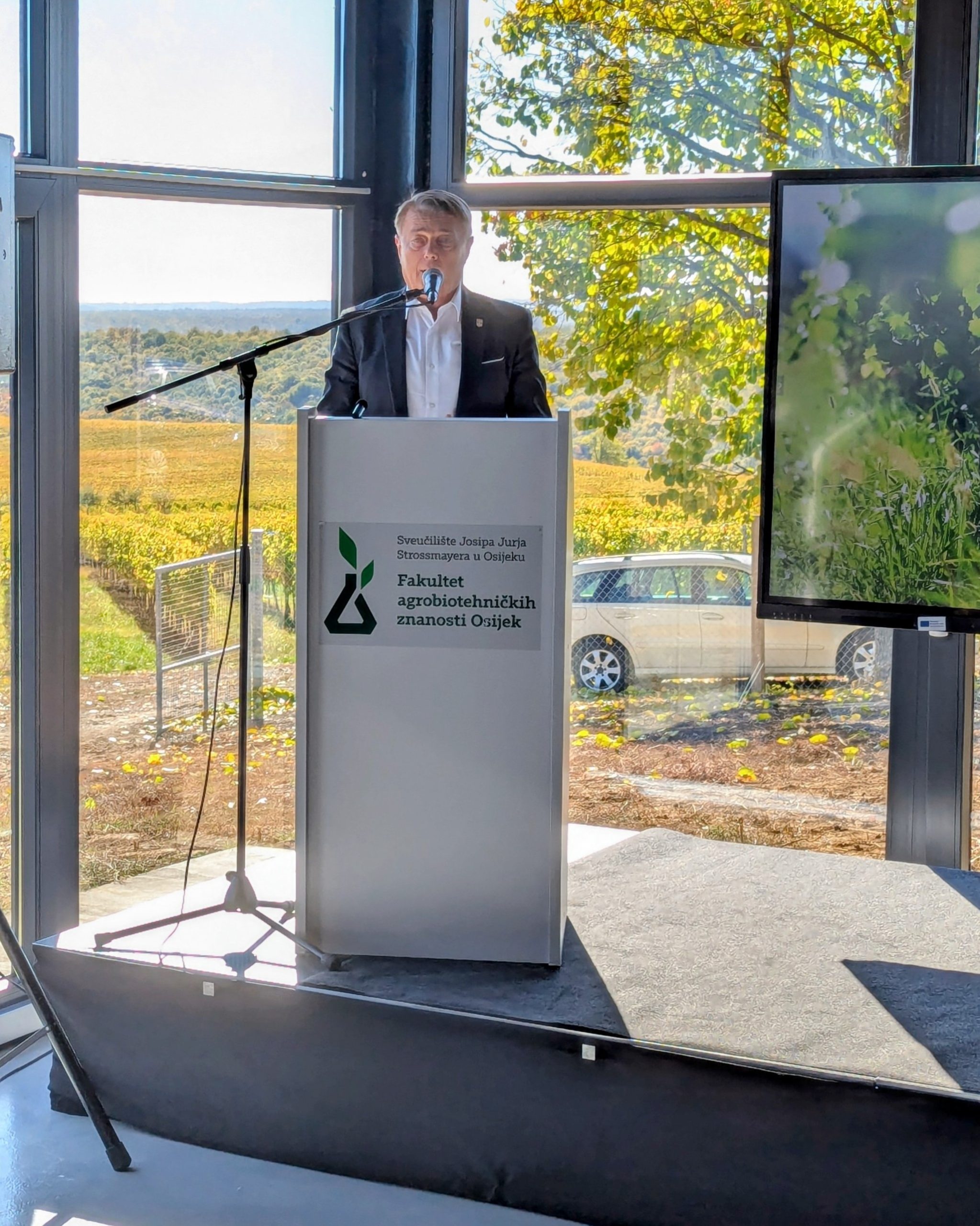
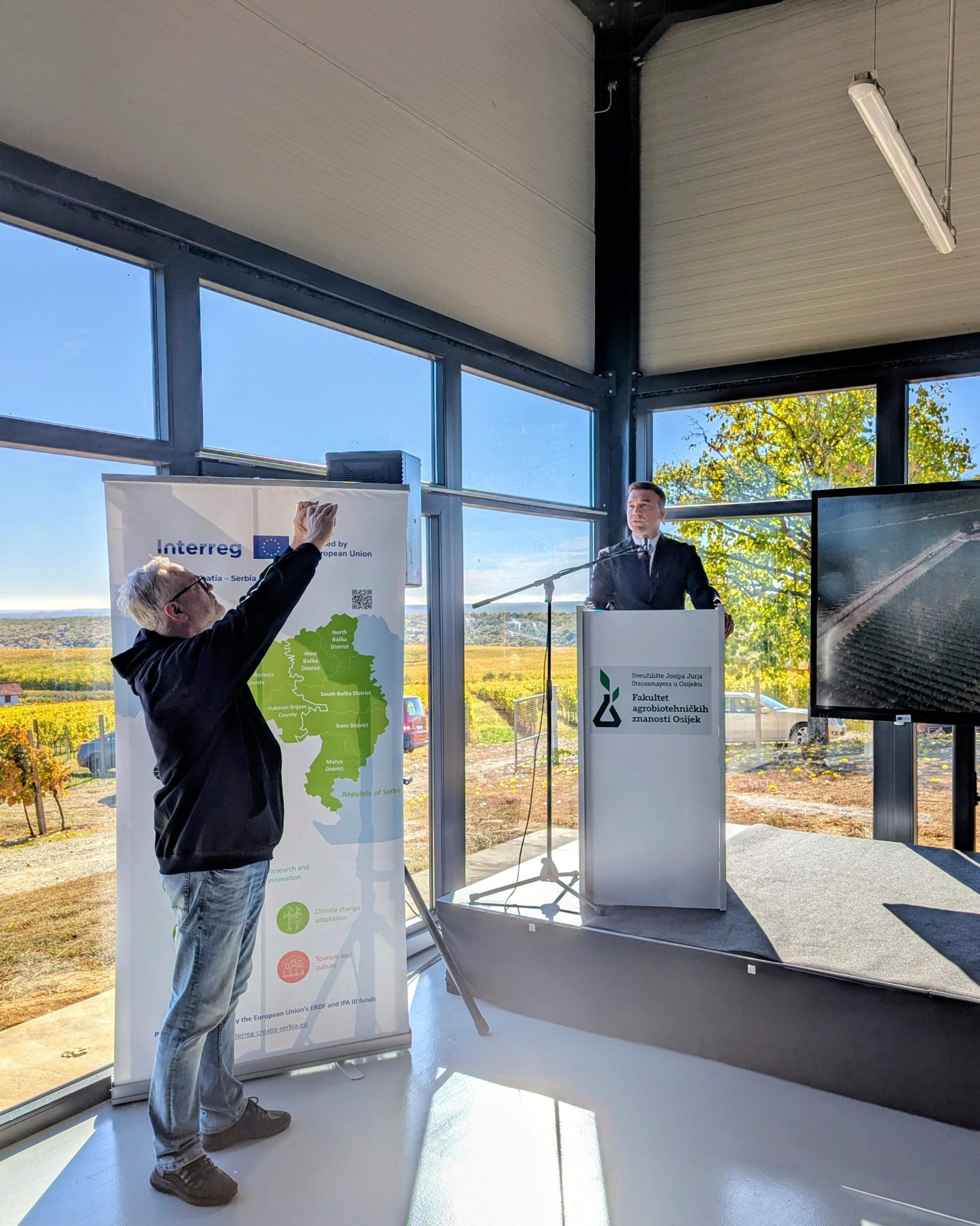
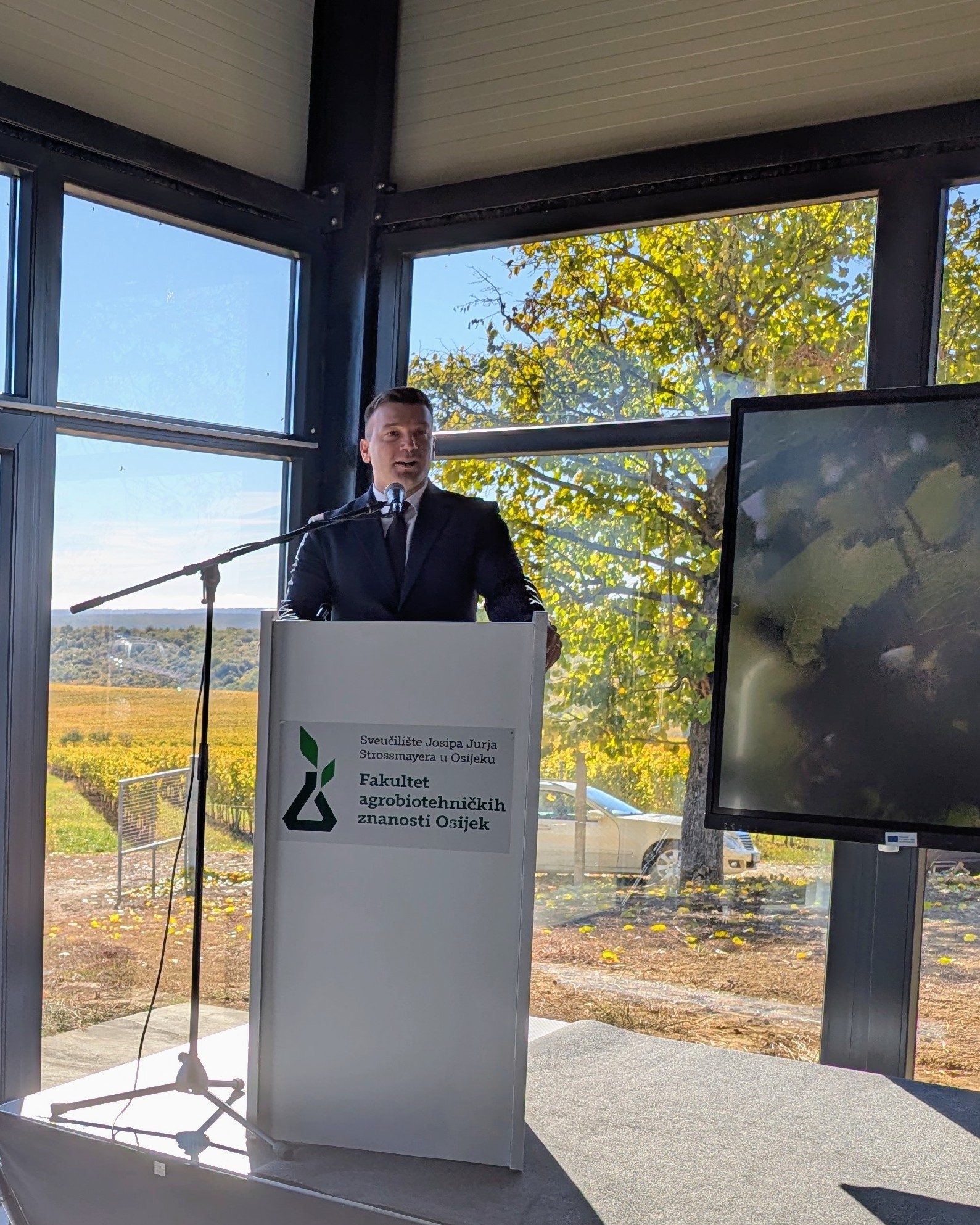
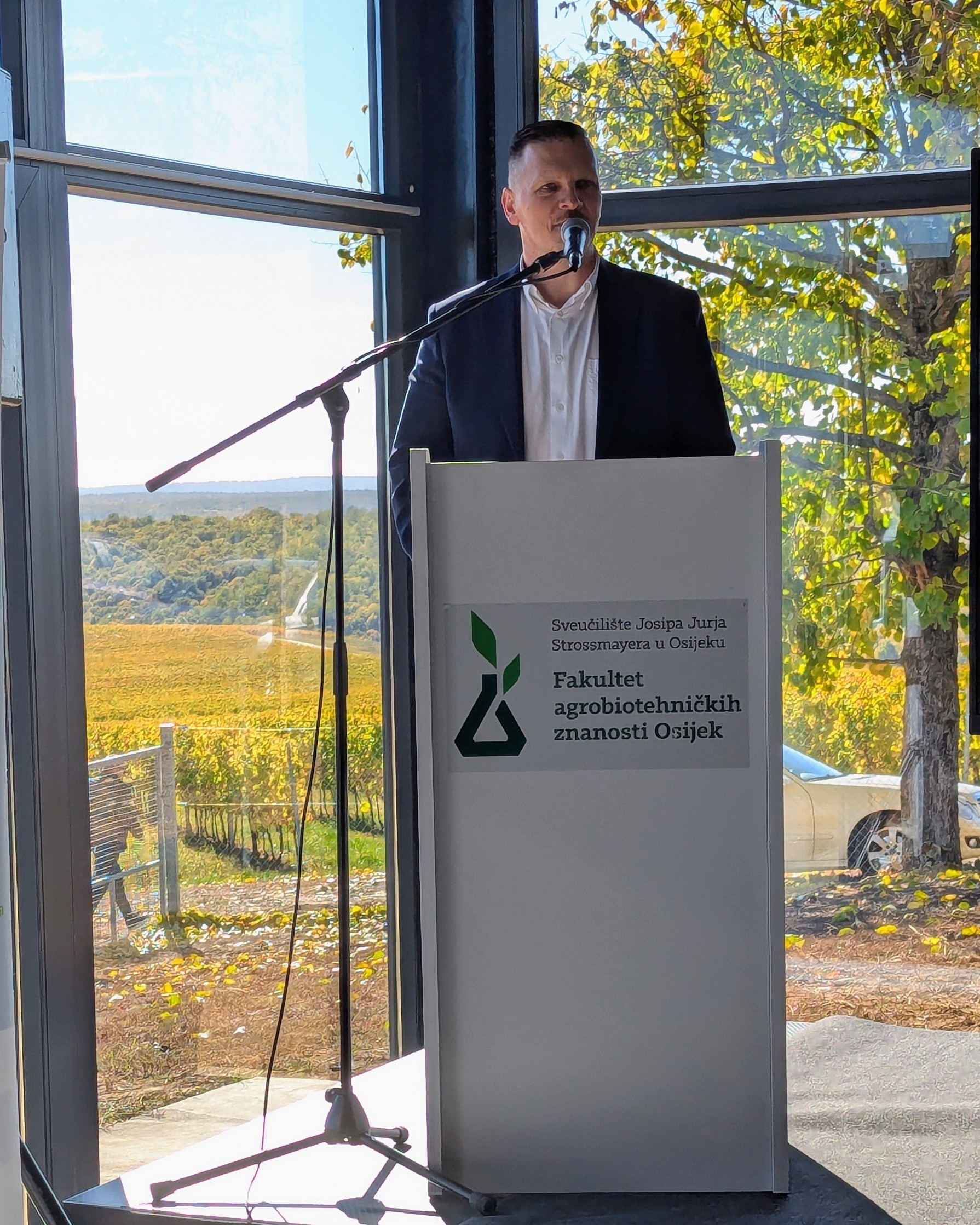
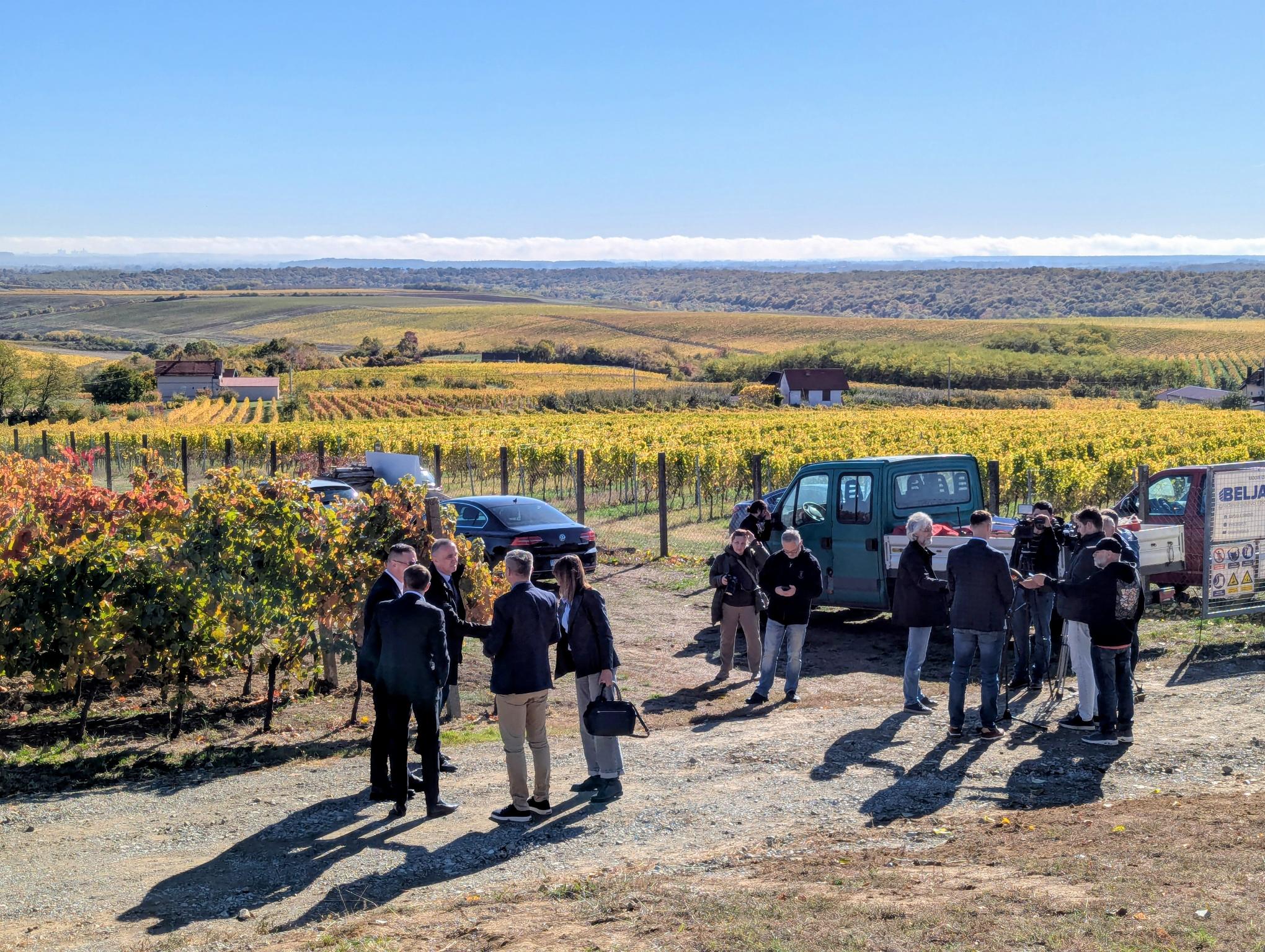
The opening ceremony took place at the Faculty of Agrobiotechnical Sciences Osijek’s experimental vineyard and winery. Attendees included Domagoj Mikulić, State Secretary at the Ministry of Regional Development and EU Funds; Goran Ivanović, Deputy Prefect of Osijek-Baranja County; and Professor Tomislav Vinković, Dean of the Faculty of Agrobiotechnical Sciences Osijek.
“ADAPTVitis is one of the strategic projects for agricultural development in border areas envisaged by the Croatian Government ten years ago. Today, we are opening a centre that will generate scientific and technological knowledge to help winemakers in Croatia and Serbia adapt their production to changing climate conditions while maintaining wine quality,” said State Secretary Domagoj Mikulić.
Goran Ivanović highlighted the importance of agriculture to the regional economy, noting that the sector accounts for almost 65% of Osijek-Baranja County’s budget. “This project is of great importance for strengthening the competitiveness of wine producers in border areas,” he added.
Professor Tomislav Vinković welcomed the opening as a significant step forward for the faculty, scientific research and the application of innovative solutions in agriculture. He also emphasised that ADAPTVitis would help educate new generations of students, equipping them with knowledge they can use to strengthen viticulture and winemaking.
A second research centre will be established in Sremski Karlovci, Serbia, as part of the project. ADAPTVitis is led by the Faculty of Agrobiotechnical Sciences Osijek in partnership with the Faculty of Agriculture at the University of Novi Sad.
The project includes a range of research and practical activities, such as collecting and analysing climate data, conducting soil analyses, and carrying out field research at experimental sites in Mandićevac and Sremski Karlovci. One of its key objectives is to identify grape varieties with greater resilience to drought and other adverse climatic conditions. Researchers will also analyse yields and assess the quality of the wines produced.
The findings will provide the basis for a strategic action plan and recommendations for more sustainable vineyard management in the face of climate change. By strengthening cross-border cooperation and fostering closer links between research institutions and the business sector, the project aims to develop practical solutions to climate-related challenges.
In the long term, the results are expected to support the development of viticulture, the preservation of natural resources and the economic growth of rural areas.
During the 2021–2027 funding period, €34.8 million in EU funding was allocated to cross-border projects under the Interreg VI-A IPA Croatia–Serbia programme. Following the first and second calls for project proposals, a total of 43 projects are being implemented at various stages, including two strategic projects.