
 Jems
Jems
The SocCare project is implemented within the Interreg VI-A IPA Croatia–Serbia 2021–2027 Programme, addressing common challenges in the programme area related to aging populations and access to non-institutional social services. The project responds to identified territorial needs by strengthening community-based care and improving the availability and quality of social services in the cross-border region.
Since the establishment of the day care service at Home Ilok, more than 30 end users have been actively involved in project activities. Due to high demand, a waiting list was introduced, and 33 users have accessed the services so far, demonstrating the relevance and effectiveness of the developed service models.
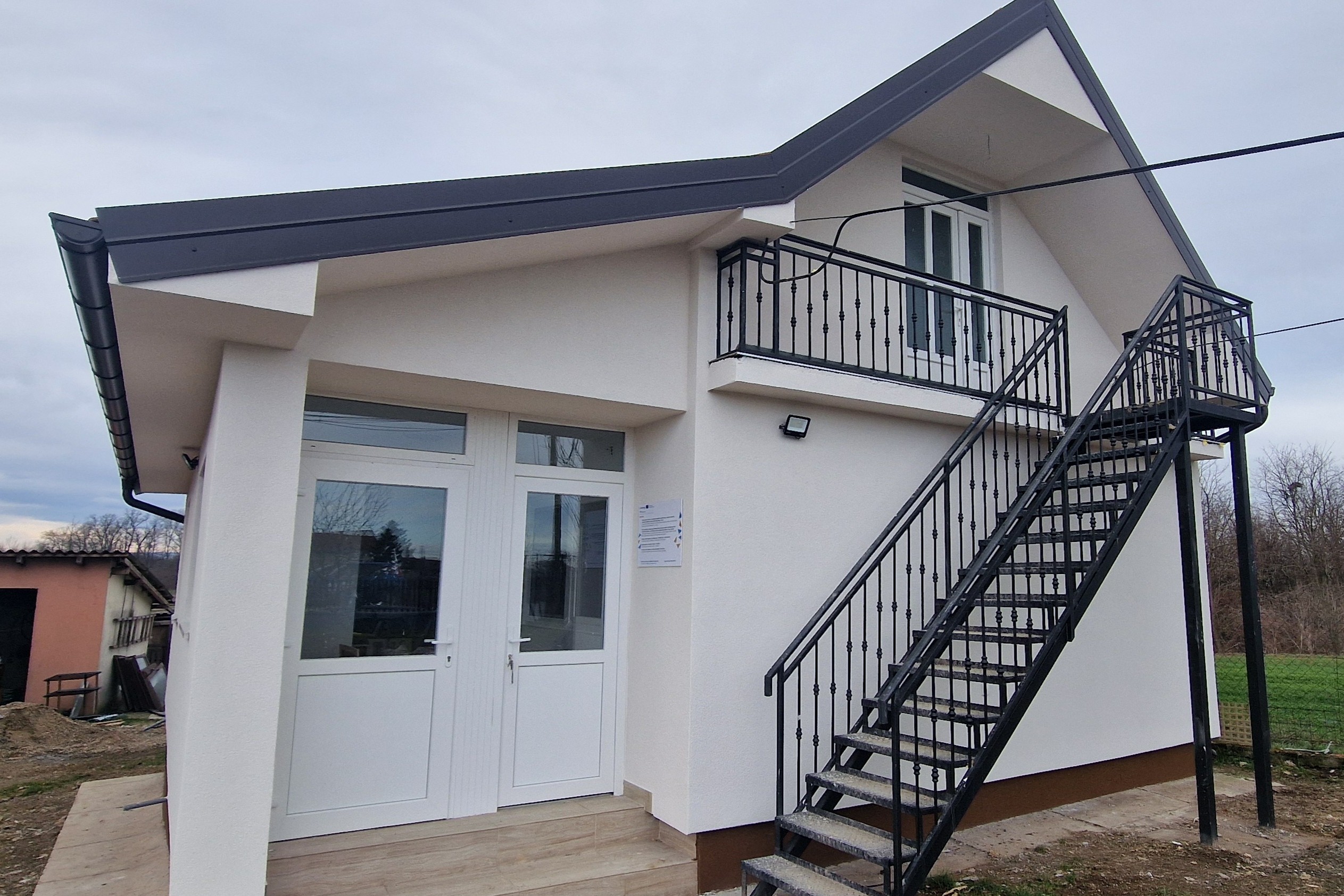
The project is currently in the final phase of establishing a counseling and support center at Home Ilok. Preparatory activities, including the preparation of technical documentation for equipment procurement, are ongoing in line with the project implementation plan.
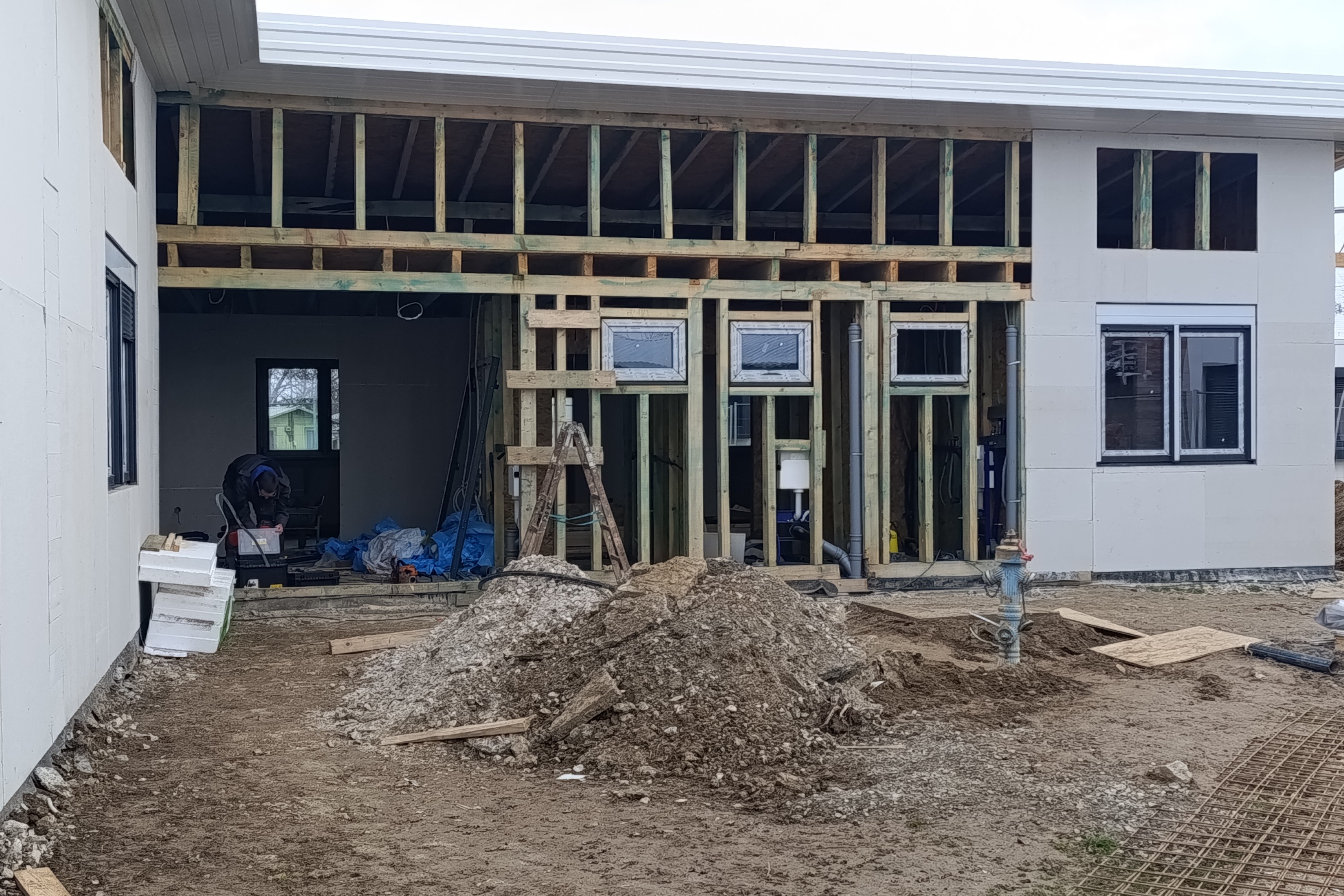
As a key project output, counseling and support centers are being established in Ilok and Šabac. These centers are intended for older persons, family members, and informal caregivers, providing information, counseling, and referrals to available social and health-related services within the local communities.
Through the introduction of innovative, community-based approaches, the project promotes active aging and social inclusion. Older persons are involved in social events and cross-border project activities aimed at strengthening social participation, preserving personal identity, and enhancing self-esteem, while also fostering the exchange of knowledge and experience.
The counseling centers provide informal psychosocial support to older persons and persons with disabilities in vulnerable situations. By strengthening autonomy, personal control, and coping capacities, the services contribute to improved physical and mental well-being and support a smoother transition through the aging process.
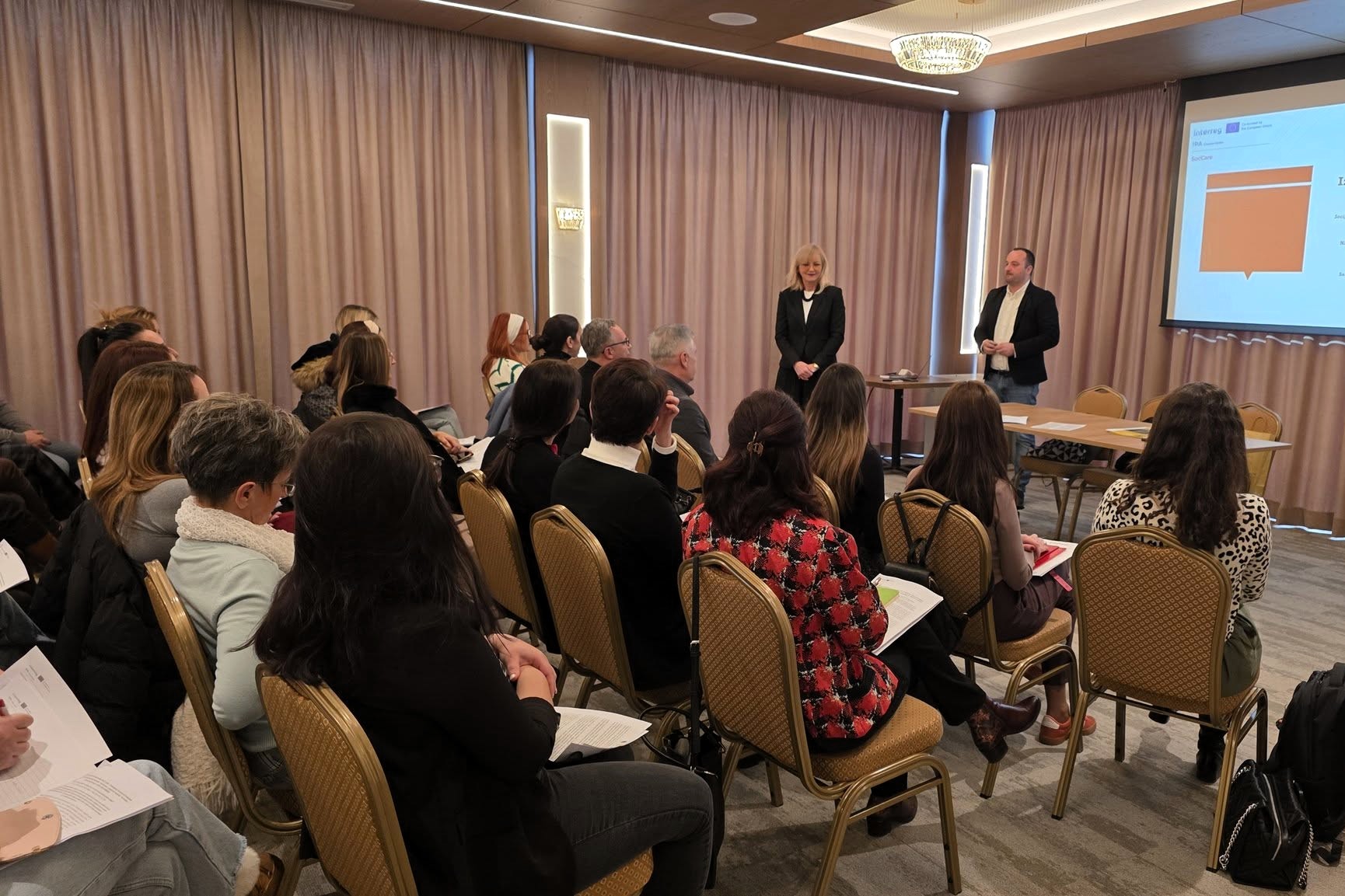
The project also includes capacity-building activities for service providers and professionals involved in the development of non-institutional care models. In December, a joint training programme was organized for experts from the cross-border area, focusing on professional empowerment, knowledge transfer, and the acquisition of new competencies necessary for sustainable service delivery.
To ensure improved accessibility of services for end users, the project includes the procurement of two electric vehicles, with delivery planned for March 2026. These investments contribute to environmentally sustainable transport solutions in line with EU policy priorities.
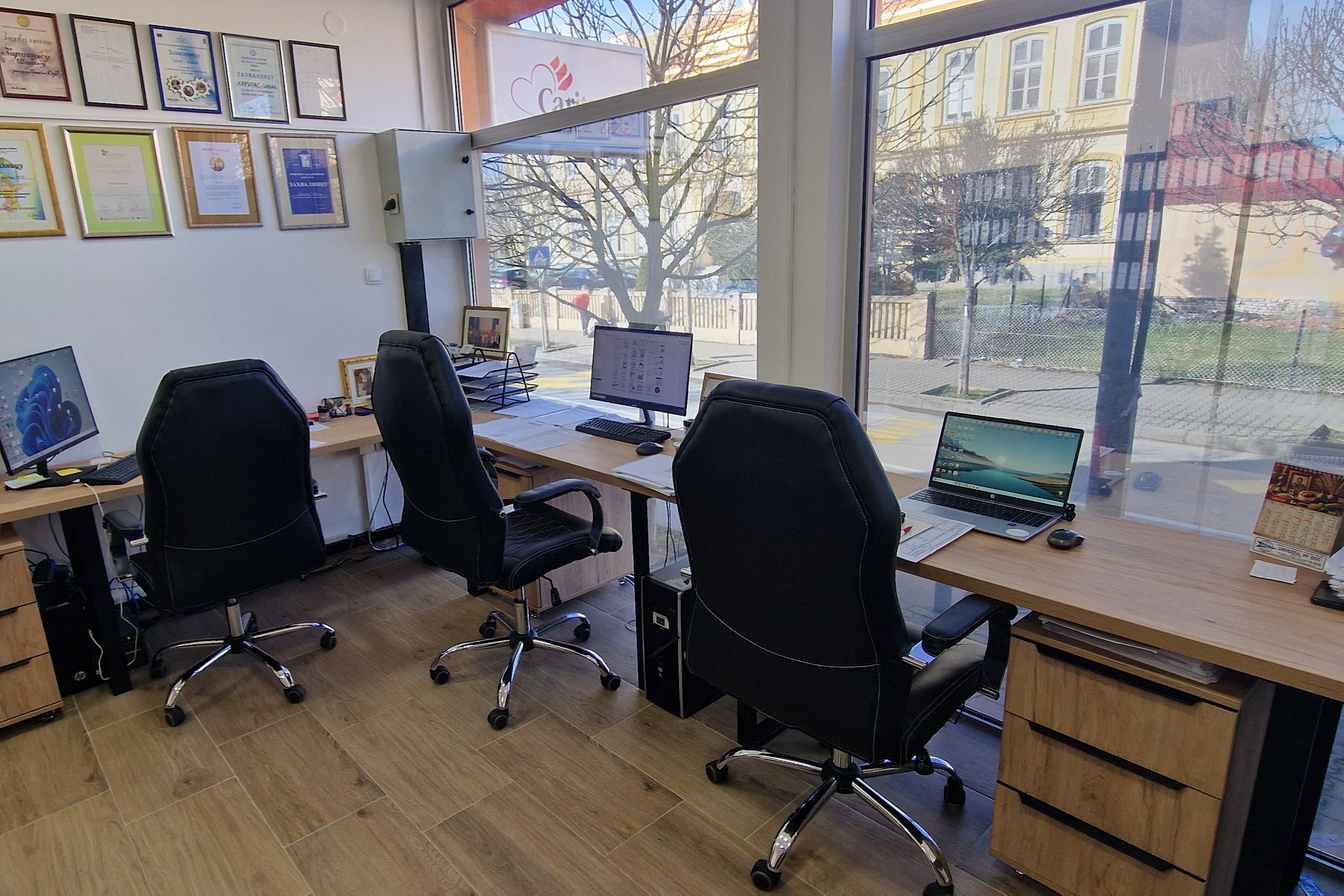
Within the cross-border partnership, Caritas Šabac, as a project partner, implemented several complementary activities, including the procurement of vehicles for the transportation of users of day care and assisted living services. Additionally, premises in Jelenča, Vladimirci, and Šabac were adapted and equipped, resulting in improved infrastructure conditions and increased availability of non-institutional services across the programme area.