
 Jems
JemsThe AI-WELD project (Advancing Innovations for Welding through Artificial Intelligence Across Borders), implemented within the Interreg IPA Croatia–Serbia Programme, has been successfully completed, delivering significant results in the field of smart manufacturing and advanced welding technologies.
The project brought together partners from Croatia and Serbia with the common objective of developing an AI-enhanced robotic welding control system that integrates artificial intelligence, computer vision, and collaborative robotics. Through joint research and development activities, the project addressed key challenges in traditional welding processes, such as variability in quality, high material waste, and limited automation accessibility for small and medium-sized enterprises.
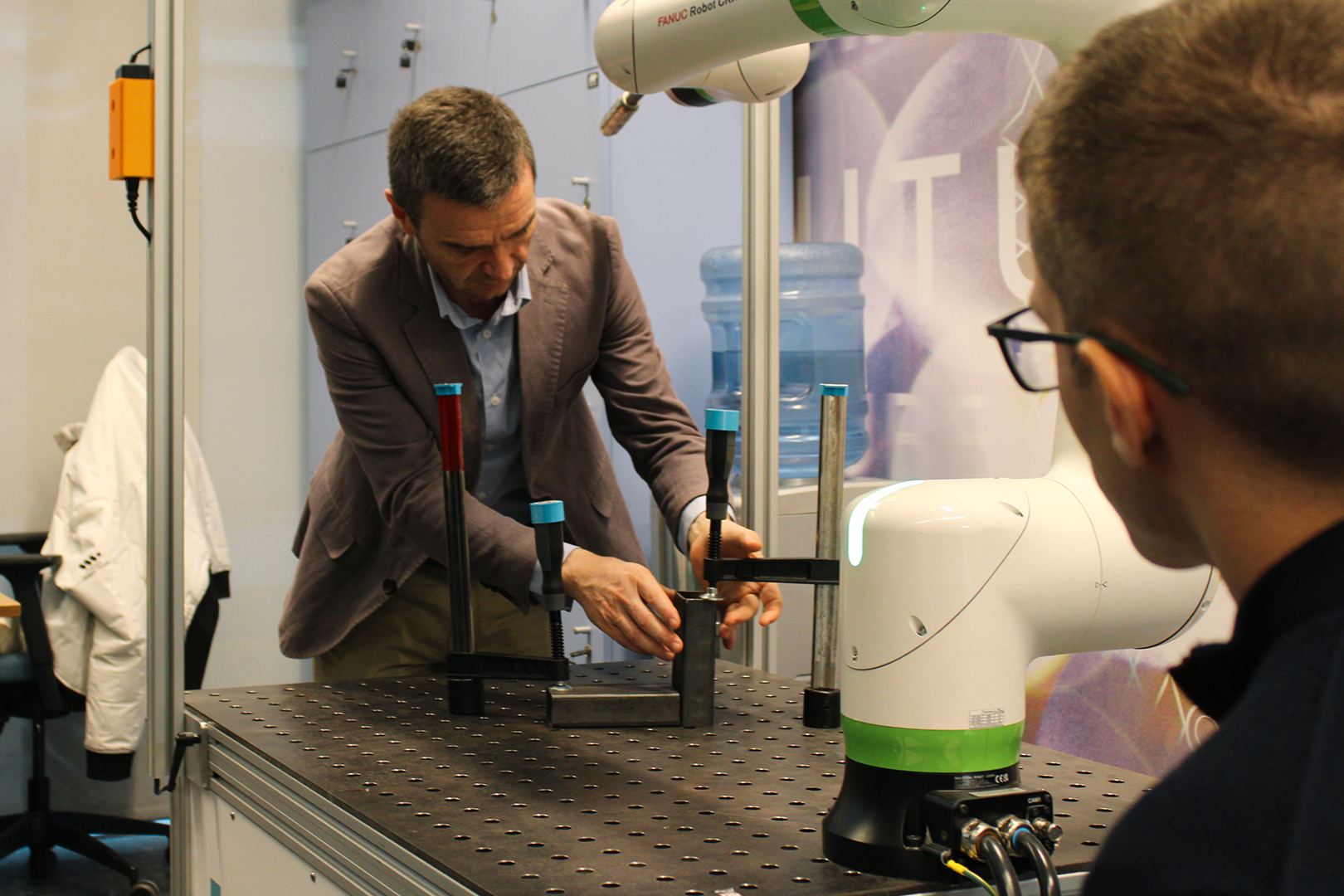
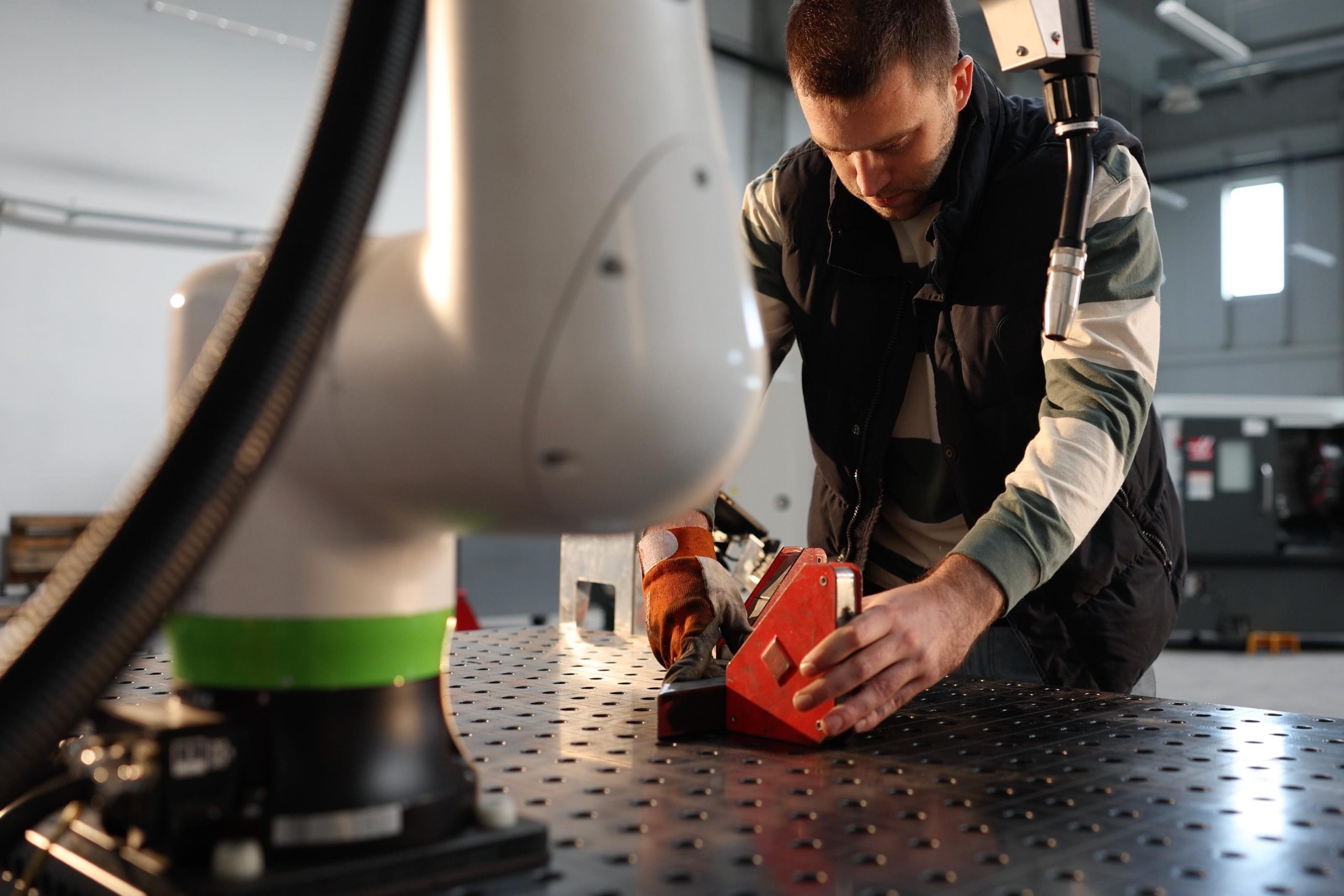
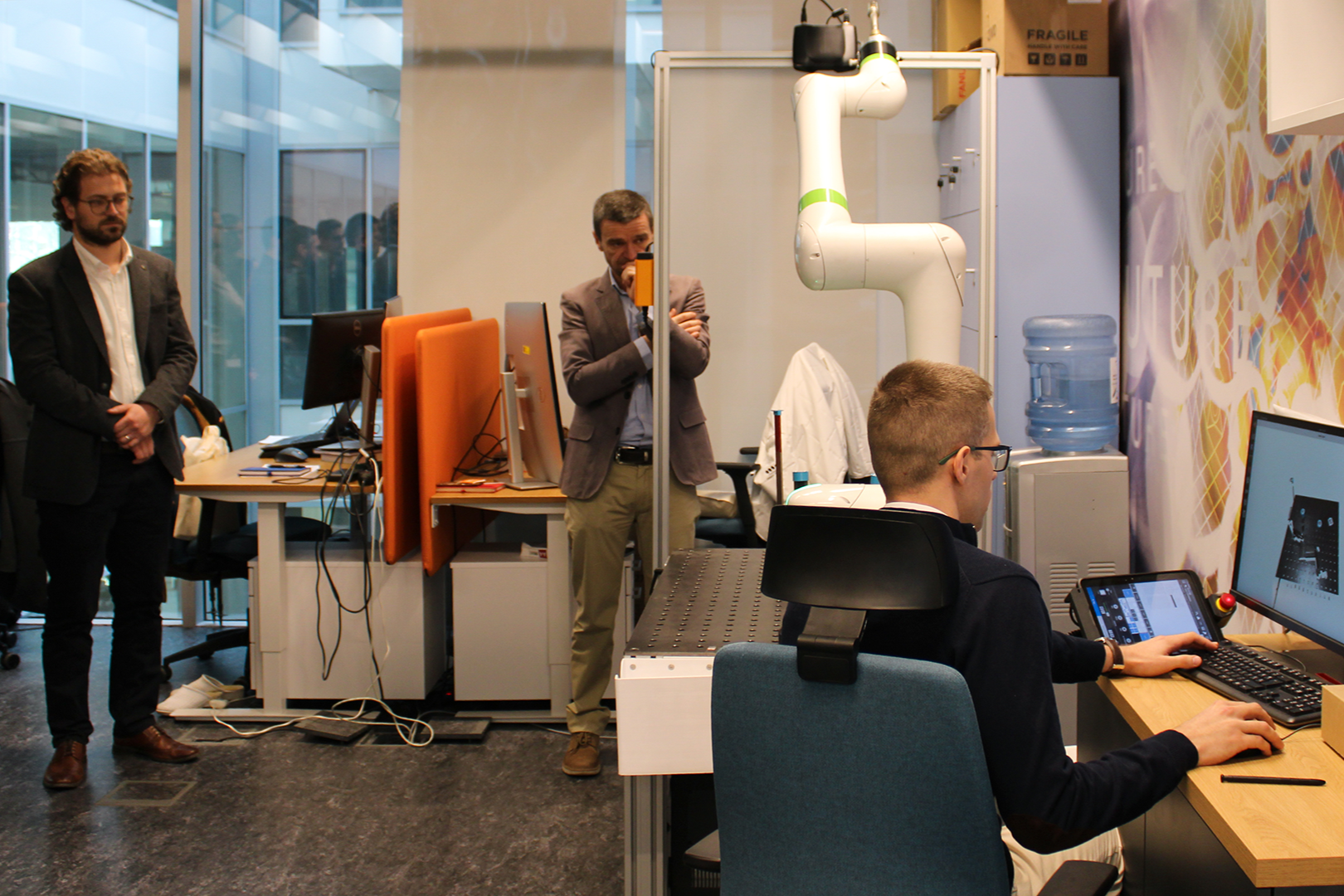
During the implementation period, the partners jointly developed and tested an AI-based system capable of real-time weld seam detection, adaptive robotic control, and dynamic adjustment of welding parameters. The solution was validated through prototyping, testing, and a live demonstration event, confirming its technical feasibility and applicability in industrial environments.
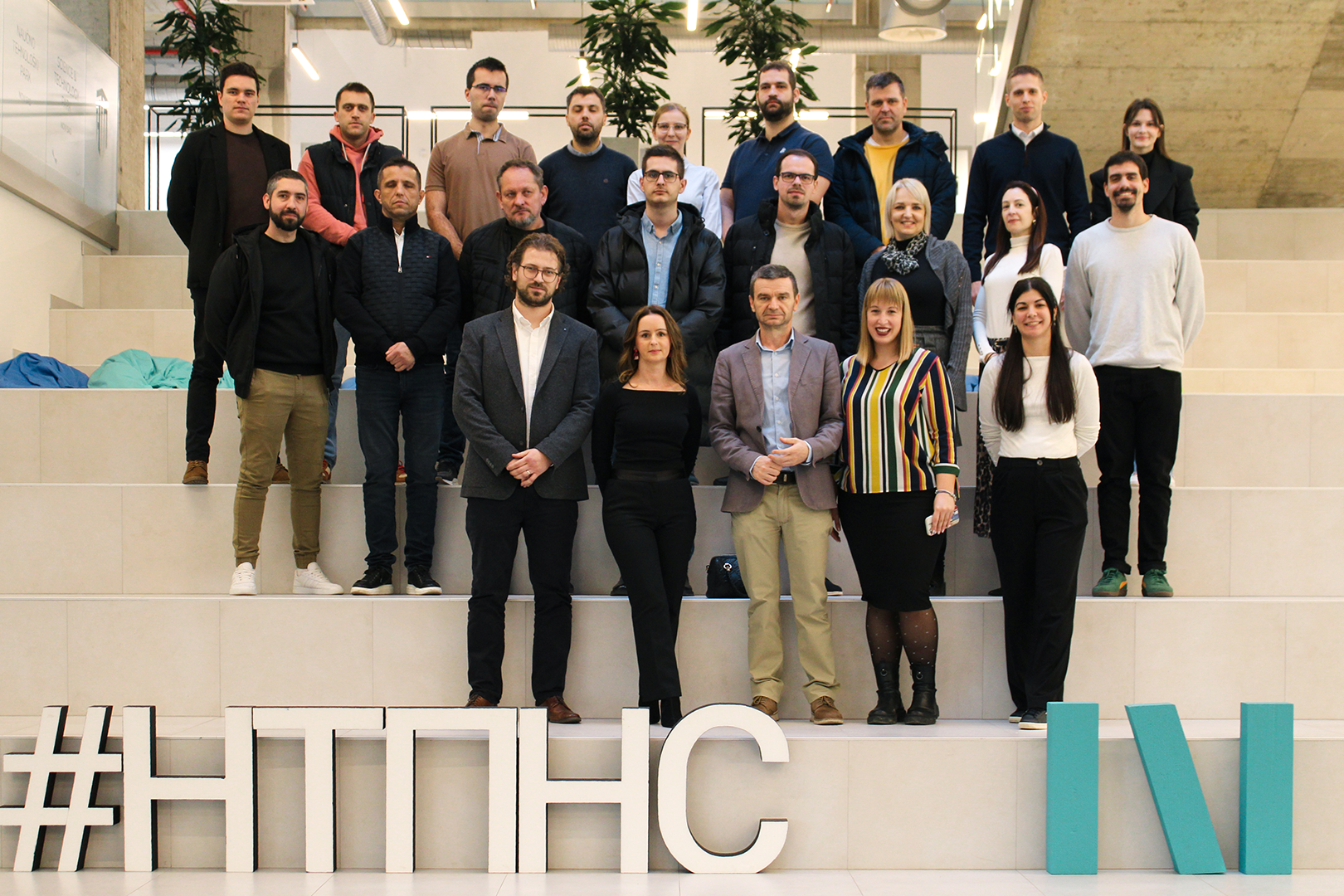
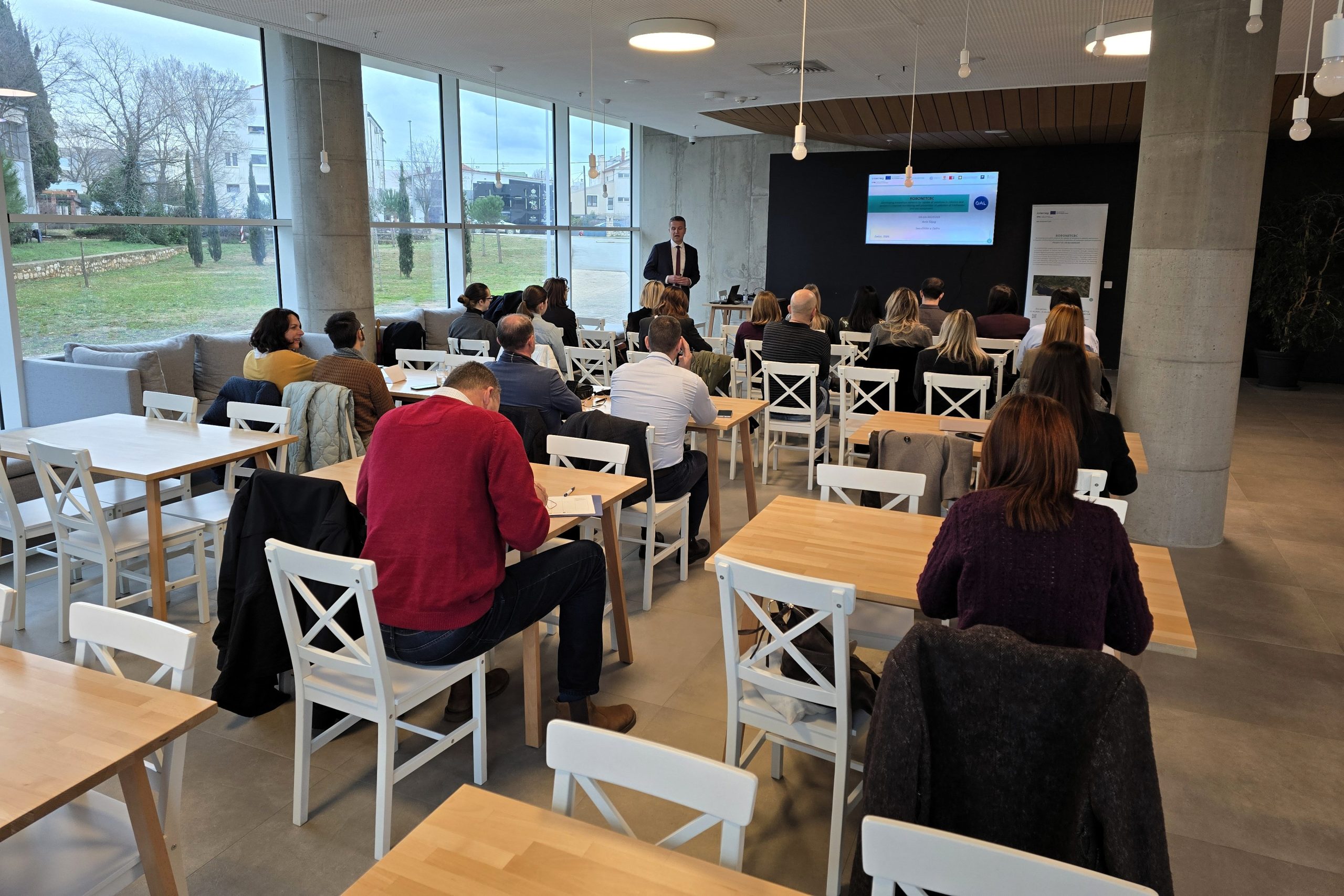
In parallel, the project placed strong emphasis on knowledge transfer and awareness raising. A series of training sessions and workshops were organised for SMEs, educational institutions, and other relevant stakeholders, focusing on robotics, computer vision, and the application of artificial intelligence in welding. These activities contributed to strengthening digital skills and increasing awareness of advanced manufacturing technologies in the cross-border region.
As a key long-term outcome, the project partners formalised their continued cooperation through a Memorandum of Future Cooperation, ensuring further development, upscaling, and transfer of project results beyond the project’s lifetime.
The AI-WELD project demonstrates the value of cross-border collaboration in fostering innovation, supporting industrial digitalisation, and enhancing research and innovation capacities in the programme area.