
 Jems
Jems
In 2026, REBIOFOREST project partners continued with intensive professional, technical, and organizational activities aimed at restoring degraded forest ecosystems and strengthening their climate resilience in the cross-border area of Croatia and Serbia. Following the initial phase of planning and methodological preparation, the project entered its operational phase at the end of 2025, integrating advanced monitoring technologies, scientific analysis, and the preparation of concrete field interventions.
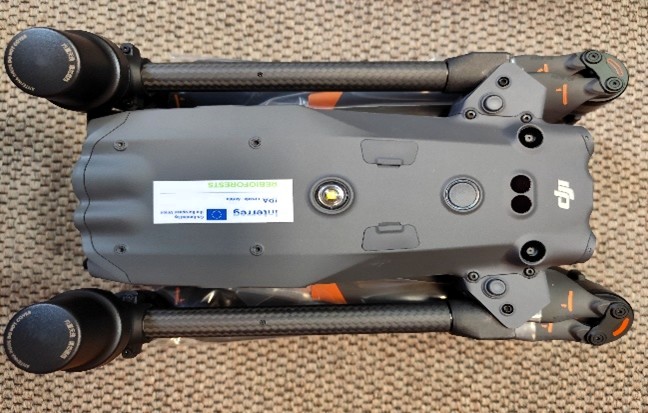
As part of the scientific analysis, pedunculate oak seeds were sown and are used for planting in the pilot area. This activity represents an important step in linking the project’s scientific foundation with the practical implementation of forest ecosystem restoration measures. The integration of advanced monitoring technologies enabled a comprehensive assessment of forest stand conditions, thereby providing a reliable spatial and technical foundation for the determination of the pilot area.
The promotion and visibility of the project is especially emphasized by project partners, intending to inform both the professional community and the wider public about the importance of restoring forest ecosystems and strengthening their resilience to climate change.
So far, a national project event was held at the Biological and Educational Centre at Otočki Virovi, attended by representatives of the project partners and relevant stakeholders. On this occasion, participants were thoroughly introduced to the project, its objectives, the challenges that prompted its implementation, and the results achieved so far. Particular emphasis was placed on the study visit to Bilbao, Spain, during which participants had the opportunity to explore examples of good practice and topics related to forest health, threats to forest ecosystems, and the conservation and management of forest genetic resources in the context of climate change.
Following the national event held in the Republic of Croatia, project partners also organized a national event in Bačinci in the Republic of Serbia. It was highlighted that the project represents an important step towards forest revitalization, biodiversity conservation, and strengthening the resilience of forest ecosystems to climate change in the cross-border area.
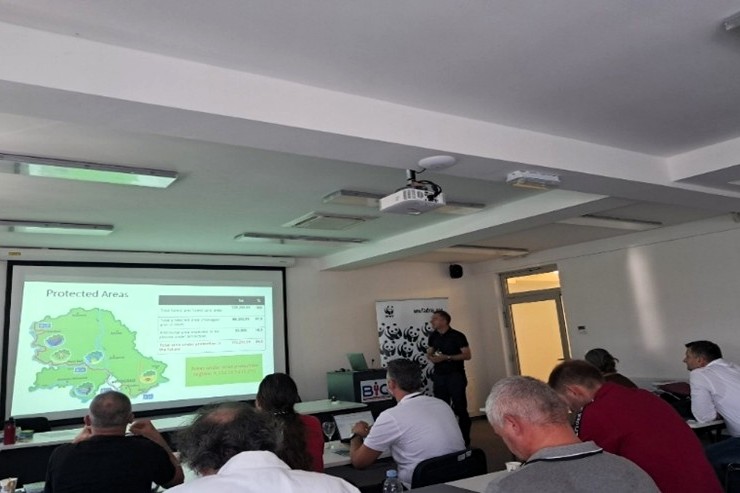
The project was further presented in Vukovar as part of the thematic workshop “Restoration of Floodplain Forests – Practical Approaches and Challenges”, organized within the framework of the project “Restoring Europe’s Amazon: Connecting River Habitats in the First Five-Country UNESCO Biosphere Reserve”, implemented by WWF Adria. The workshop brought together a wide range of forestry and nature conservation experts and provided an opportunity to exchange examples of good practice and discuss key challenges – from research design and data collection, through monitoring, stakeholder engagement in restoration processes.